
Reviewed · NAPA VALLEY WINE TOURS
Intro to Wine Tasting with Napa Sommelière
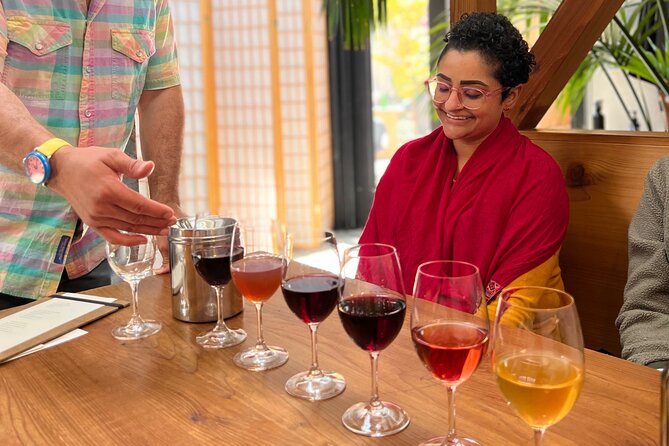
Napa wine can feel like a language with its own rules: swirl here, sniff there, then try to say something more useful than I like it. This three-hour introduction gives you a practical way into the subject, with a sommelier guiding you through two tasting stops and a full flight of wines at each.
I like two things about the format: the lessons happen over real wines, not just in a classroom, and the group is capped at six, which leaves room for questions and a more personal pace. Snacks are included, and guide Elisabeth has studied wine beyond Napa, giving the discussion a broader frame than local tasting notes alone.
One consideration is cost: one tasting-room fee is paid separately by you. The precise fee is not stated, and the experience is non-refundable, so check the extra tasting cost and your schedule before booking.
Key points to know before you go
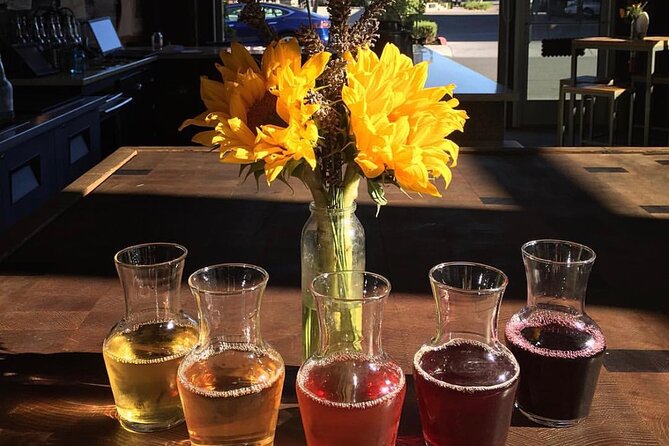
- Two stops, two full flights: Expect a tasting at each of two tasting rooms or restaurants during the three-hour session.
- Wine lessons with a practical purpose: The topics include tasting technique, production, organic and biodynamic viticulture, and food pairing.
- A small group: The maximum is six, with at least two participants needed for the experience to run.
- Snacks are included, one tasting fee is not: Budget for the tasting-room fee that you pay directly.
- Meet and finish in central Napa: The tour starts and ends at Ernest Rota Commons at First Street Napa Mall.
- Bring your questions: Elisabeth’s approach is designed to help you speak more comfortably with a sommelier, whatever your starting level.
A wine lesson built around two real tasting stops
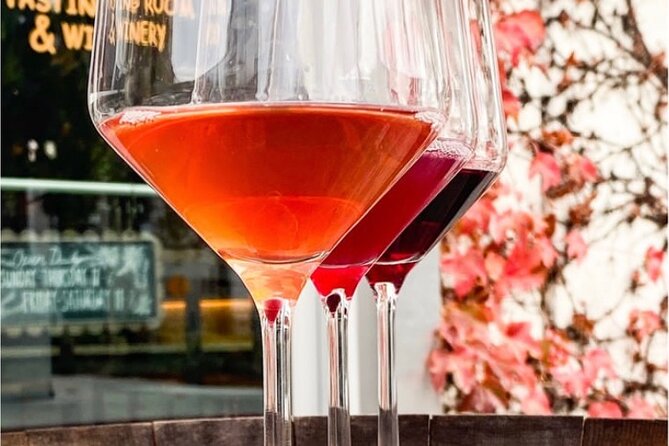
The appeal here is simple: instead of trying to learn wine vocabulary from a book, you practice it while tasting. You spend about three hours with a sommelier, moving between two tasting rooms or restaurants and sampling a full flight at each. That gives the lesson some range. You can compare wines, ask what you notice, and connect the tasting method to what is in the glass.
The aim is not to turn you into an expert in one afternoon. It is to make a tasting room feel less like a test. Once you have a few clear ways to describe a wine, you can ask better questions, understand a sommelier’s answers, and figure out what you enjoy without leaning on vague words like good or smooth.
The group limit helps. With no more than six people, there is a better chance to get a question answered or have the guide adjust the explanation to your experience. That personal feel is especially useful if you are new to wine, though people who already know their way around a tasting may still enjoy a focused refresher and the chance to discuss production and farming.
More Napa Valley wine tours in Napa and Sonoma:
- Napa Valley Small Group Winery Tour
★ 5.0 · 1,009 reviews - Napa Valley Wine Trolley Classic Tour
★ 4.5 · 701 reviews - Hot Air Balloon Rides in Napa Valley
★ 4.5 · 592 reviews
Starting at Ernest Rota Commons
The meeting point is Ernest Rota Commons at First Street Napa Mall in Napa, and the experience returns there at the end. It is a useful detail for planning your day: you are not left at a second venue after the tasting. The tour is listed for Napa and Sonoma, but this particular meeting point is in Napa, so check the exact plan if you are staying elsewhere in the region.
Arrive with enough time to find the meeting spot and get settled. One account describes the guide arriving close to the start time, which briefly left the group unsure they had found the right place. That may not be typical, but it is sensible to confirm the meeting details in advance and keep your phone available if you have a question.
The group needs at least two people to run. If the minimum is not met, you can be offered another date or experience, or a full refund. The maximum is six, a useful limit for a lesson that depends on discussion rather than simply being led from glass to glass.
Learning how to taste without the fuss
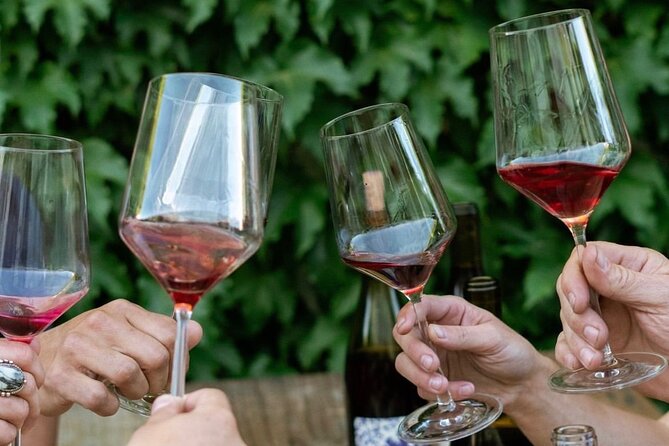
The first part of the experience is about giving you a repeatable way to assess wine. The guide covers professional tasting method and etiquette, so you can learn what to look for and how to talk about it. A method is handy because it gives you something to do beyond taking a sip and deciding whether you like it.
The point is not to memorize a string of fancy terms. You can start with what you actually notice, then build more precise language as you taste. The guide can help connect your impressions to the wine and explain how to discuss those impressions with a sommelier. The reviews of this experience repeatedly praise Elisabeth’s ability to answer questions and adapt to the group’s existing knowledge, which is a real asset for mixed-level parties.
Etiquette can sound intimidating, but in practice it is about making a tasting comfortable for everyone and getting more from each glass. If you have ever wondered when to ask questions, how to describe a wine, or what a tasting-room host expects, this is a good setting to ask without feeling you should already know the answer.
You will sample a full flight at each stop. The exact wines are not specified in advance, so treat the tasting as a guided introduction rather than a fixed lineup you can research beforehand. If you want to follow up on a particular bottle, ask for its name and make a note as you go. A list of the wines is not guaranteed.
What the farming and production discussion adds
Tasting is only part of the lesson. The guide also discusses wine production and the differences between organic and biodynamic viticulture. Those subjects can sound abstract until you know what questions to ask and how farming choices relate to the wine in your glass.
This is useful context in Napa and Sonoma, where tasting rooms often talk about how their grapes are grown and how their wines are made. You do not need to arrive with a view on organic or biodynamic practices. The value is in learning the terms, hearing how they differ, and being able to ask a more informed question the next time a winery raises them.
The guide’s background adds another angle. Elisabeth is described as being from Napa and as having studied winemaking abroad. That combination can help connect local wine culture with ideas and practices beyond the valley. The experience is still an introduction, not a technical course, but the production discussion gives the tasting more substance than a succession of pours.
More wine tours in Napa and Sonoma:
- Sonoma Valley Open Air Wine Trolley Tour
★ 4.5 · 782 reviews - Napa Valley Daily Join In Group Wineries Tour Including Lunch
★ 4.5 · 476 reviews - #1 Sonoma Walking Food, Wine Tasting & History Tour (Public Tour)
★ 5.0 · 457 reviews - Sonoma Wine Country Electric Trike Tour – 3 hours
★ 5.0 · 331 reviews
Two venues, with food pairing along the way
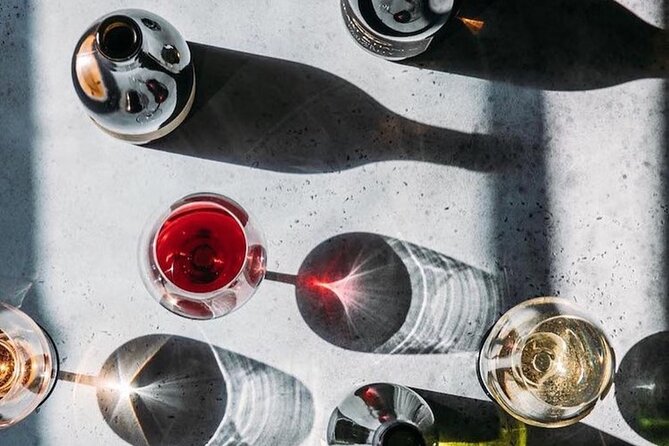
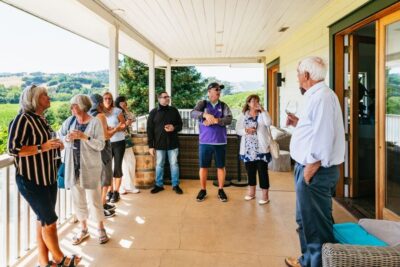
You visit two tasting rooms or restaurants, with a full flight at each. The venues themselves are not named in advance, so the exact atmosphere and wine selection may vary. That flexibility can make the tour feel responsive, but it also means you should not book expecting a particular winery, restaurant, or producer.
Food pairing fundamentals are part of the lesson, and snacks are included. This gives the guide a chance to explain how food can change the way a wine tastes and why the same bottle may work differently with different dishes. It also makes the session more than a tasting-room etiquette class: you leave with ideas you can use at dinner or when choosing wine for a meal.
The snack setup may not be identical at both stops. Water was available at one location in one account, while the second stop had snacks but no water. Some snacks were also difficult to reach from certain seats. If water matters to you, or if you have a dietary concern, ask about it before the tour rather than assuming each venue will offer the same setup. The information provided does not specify snack ingredients or dietary accommodations.
Seating can also affect how comfortable the lesson feels. At one stop, a seat near a stereo made it harder to hear. If you have hearing difficulties, mention that early and ask for a seat where you can follow the discussion. Small-group size helps, but it cannot guarantee ideal acoustics at every venue.
What the price covers, and what it does not
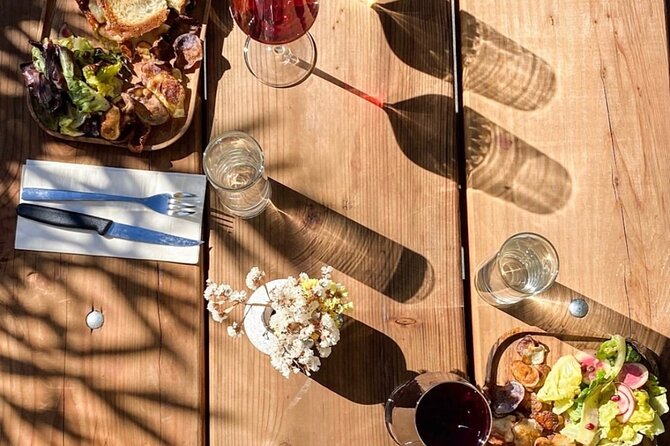
Alcoholic beverages and snacks are included, but one tasting-room fee is your responsibility. The amount is not specified, so the listed price is not the full cost of the outing. Ask what fee you should expect before booking and factor it into your budget, especially if you are comparing this with a tour that includes every tasting charge.
The value depends on what you want from the afternoon. If you mainly want a high number of pours, you may find the separate fee and the instructional format less appealing. If you want to understand what you are tasting, learn how to ask better questions, and have a guide tailor the conversation to your level, the teaching may justify the extra cost.
At 4.9 out of 5 from 30 ratings, with 97 percent of participants recommending it, the experience has a strong overall record. The most consistent strengths are the guide’s warmth, clear explanations, humor, and willingness to answer questions. One person felt the price was high for the level of tour organization, pointing to late arrival, an untrained dog that barked, uneven handouts, and inconsistent water and snack arrangements. That criticism matters because this experience sells a personal lesson as well as wine: a smooth welcome and clear materials are part of the value.
Handouts may be shared rather than supplied to each person, and they may not be identical for every couple. If you like to take notes, bring a small notebook or use your phone, and ask whether you can get a copy of any material you find useful. Also ask the guide to name each wine as it is poured, since a complete wine list is not guaranteed.
Who will get the most from this Napa tasting
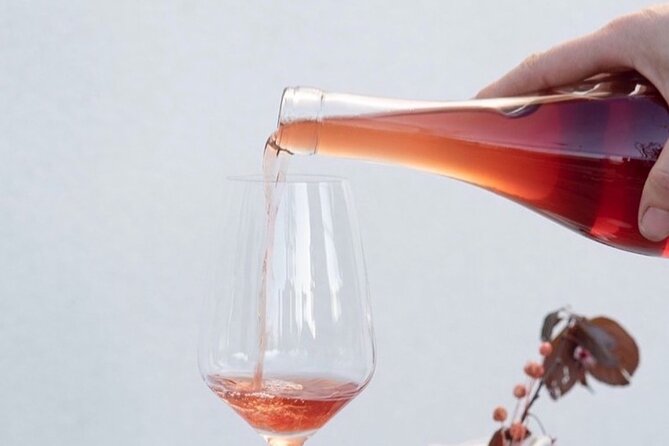
This is a strong fit if wine terminology makes you hesitate, if you are visiting Napa for the first time, or if you want to learn enough to enjoy future tastings with more confidence. It also suits couples or friends who like asking questions and comparing impressions. The guide has been praised for tailoring explanations to different levels, so a beginner need not hold back just because someone else at the table knows more.
You may prefer another format if your main goal is to visit a particular winery, taste a specific producer’s wines, or have every tasting cost included upfront. The venues are not specified, and one fee is paid separately. Nor is this a private outing: the group can include up to six people, and the minimum is two.
The experience is offered in English, uses a mobile ticket, and allows service animals. It is near public transportation, though the information does not give specific transit directions. Weather can affect whether it runs. If poor weather cancels the tour, you can choose another date or receive a full refund. Otherwise, the booking is non-refundable and cannot be changed, so be sure your plans are firm.
Should you book this tasting?
Book it if you want more than a glass in your hand. The two flights give Elisabeth real material to teach with, while the small group and discussion of production, farming, etiquette, and pairing can make the rest of your Napa wine trip easier to navigate. Its best feature is the guide’s personal, approachable teaching style.
Before you commit, confirm the separate tasting fee, ask about the day’s venues and wine list, and mention any needs around seating, water, or snacks. If those details work for you and you are curious about how wine is made and talked about, this is a worthwhile introduction. If you want an all-inclusive tasting itinerary or a polished, no-surprises group tour, compare options first.
FAQ
How long is the wine-tasting experience?
It lasts approximately three hours.
How many tasting stops are included?
The experience visits two tasting rooms or restaurants, with a full flight of wine at each.
Are snacks and wine included?
Alcoholic beverages and snacks are included. One tasting-room fee is paid separately by you.
Where does the tour start and end?
It starts at Ernest Rota Commons at First Street Napa Mall in Napa, California, and ends back at the same meeting point.
How many people can join?
The maximum is six people, and at least two participants are needed for the experience to run.
What happens if bad weather cancels the tour?
You can be offered a different date or a full refund if poor weather cancels the experience.
Just listed in Napa and Sonoma
- Zero Proof Libations and Food Tour of Downtown Napa★ 5.0 · 14 reviews
- Blend Your Own Bottle Of Wine★ 5.0 · 17 reviews
- Winery and Vineyard Transportation in Executive Style Mercedes-Benz Sprinter★ 5.0 · 5 reviews
- Wine Pairing Fundamentals with Napa Sommelière★ 5.0 · 23 reviews
- Winery and Vineyard Transportation in Luxury Full Size Black SUV★ 4.0 · 5 reviews
- Private Limo Wine Tours in Sonoma and Napa Valley★ 4.5 · 8 reviews
- Windsor Bike ‘N BeerTour★ 5.0 · 6 reviews
- Napa Valley Luxury Wine Tours & Car Services★ 5.0 · 20 reviews
Napa Valley Wine Tours, compared.
Napa and Sonoma Wine Country Full-Day Tour from San Francisco
Read our review →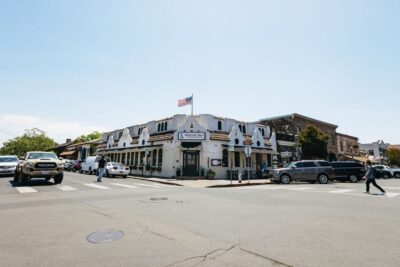
Small Group: Ultimate Napa & Sonoma Wine Tour from San Francisco
Read our review →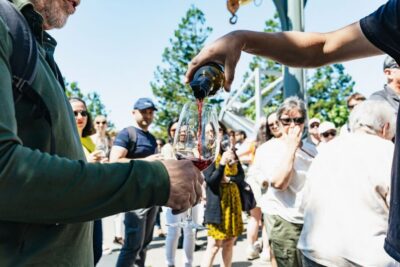
Browse the lists this tour appears in