Reviewed · SAN FRANCISCO TOURS
San Francisco: The Art of Crabbing in the Bay Area
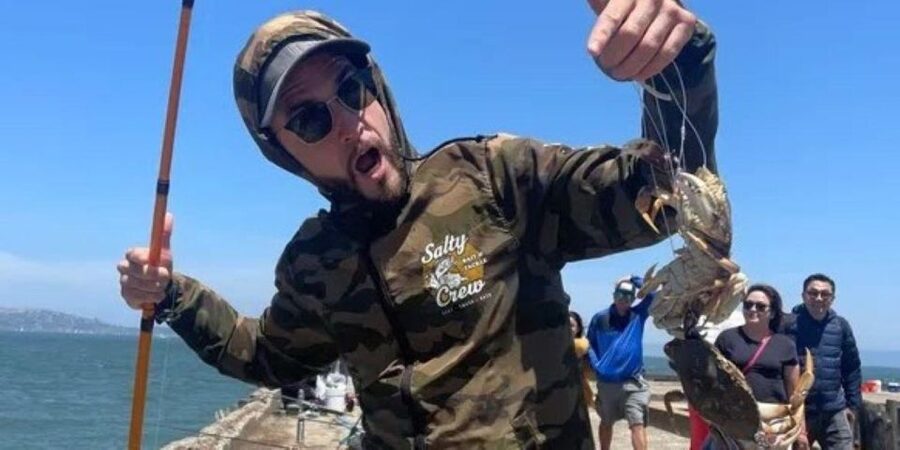
San Francisco Bay crabbing is part practical lesson, part chance to try a classic West Coast pastime. In this three-hour class, you learn how to set up your gear, cast and work toward a catch, with the bay as your classroom.
I like two things in particular: the hands-on instruction and the fact that the main gear is included, right down to a rod and reel and a snare for each person. The hosts are described as helpful, clear and ready to answer questions, which matters when you are learning several unfamiliar tools at once.
One caveat: a crab is not guaranteed. You are paying to learn the craft, not to take home dinner, so patience and an appetite for the process matter as much as luck.
Key points before you book
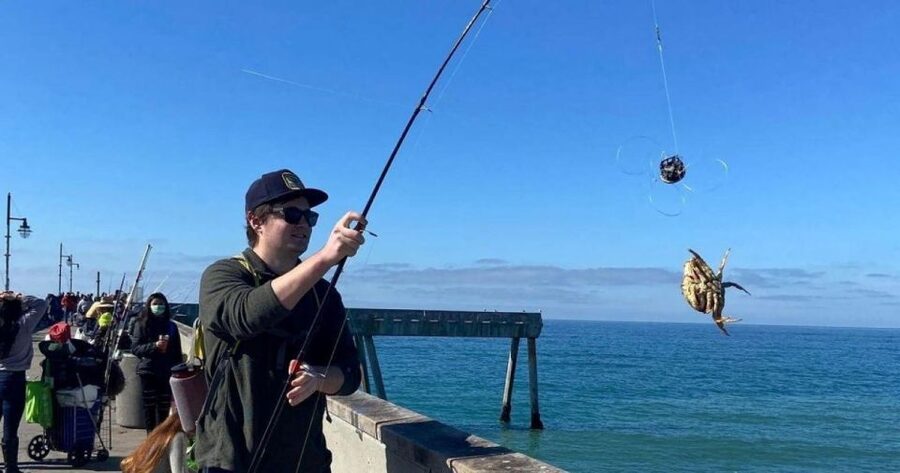
- Three hours of practical instruction: Learn equipment setup, casting methods, crabbing techniques and regulations.
- Individual gear is included: Each person gets a rod and reel and a snare, with bait, weights, a net and measuring gauge supplied.
- A catch is never promised: Effort, patience and luck all play a part.
- The class is suitable for all ages: It can be a fun shared activity, though the main value is learning rather than guaranteed seafood.
- English-speaking instruction: The class is offered in English.
- $55 per person: The fee includes instruction and listed equipment, but not food or drinks.
A Bay Area pastime, taught hands-on
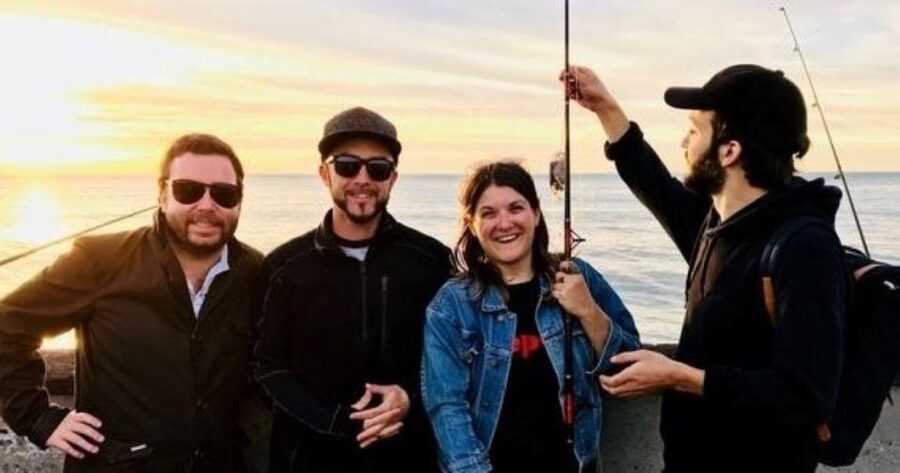
The Art of Crabbing is built around learning by doing. Rather than simply watching someone else work, you get the tools and instruction to practise the basic steps yourself. That makes the class a good fit if you have been curious about crabbing but do not know what equipment to bring or how to begin.
The setting is San Francisco Bay, a scenic place to spend a few hours outdoors with a practical goal. The experience is not presented as a sightseeing cruise or a guaranteed seafood haul. Its focus is the method: preparing the gear, learning how to use it and understanding the rules that apply.
That distinction is useful when deciding if the class suits you. If you want a relaxed introduction to crabbing and enjoy learning a hands-on skill, the format makes sense. If your main goal is to catch a certain number of crabs, you may find the uncertainty frustrating.
More San Francisco tours in San Francisco:
- Big Bus SF: Hop-on Hop-off Tour with 17 Stops and Sunset Option
★ 4.0 · 4,539 reviews - Napa and Sonoma Wine Country Full-Day Tour from San Francisco
★ 4.5 · 4,455 reviews - Small Group Yosemite and Giant Sequoias Day Trip from San Francisco
★ 5.0 · 3,671 reviews
Getting started with the equipment
A lot of first-time crabbing is simply figuring out what each piece of gear is for. The class supplies a rod and reel per person, one snare per guest, a crab net, bait, weights, a measuring gauge, 35-pound-test monofilament line and a snap swivel. That is a generous amount of kit to have on hand for an introductory lesson.
The individual rod and reel and snare are especially helpful. You are not just standing beside someone who does all the work; you have the basic equipment needed to try the technique yourself. The bait, weights and line complete the setup, while the net and gauge give you tools for handling and checking a catch.
The measuring gauge is more than an accessory. Learning crabbing regulations is part of the class, and a gauge gives you a way to check whether a crab meets the required size. The supplied details do not specify which rules or limits are covered, so treat the lesson as an introduction and follow the instructor’s guidance on the day.
It is worth noting what is not included: food and drinks. The class lasts three hours, so plan for your own refreshments rather than expecting a meal as part of the activity.
Learning to cast, set and wait
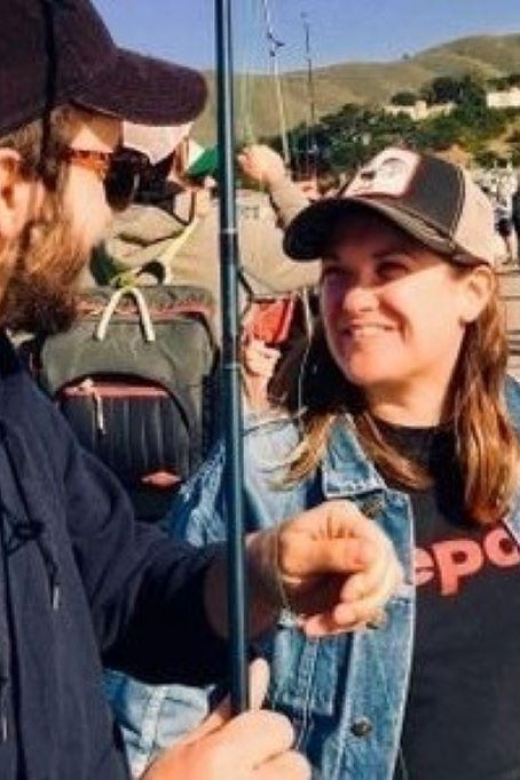
The lesson covers the basics of crabbing, including equipment setup, casting methods and effective techniques. Those stages are a sensible foundation for a beginner. If you have never handled a snare or assembled a fishing setup, getting a clear explanation before you try can save a lot of guesswork.
The hosts are described as willing to help, explain procedures clearly and answer questions professionally. That kind of patient teaching is a real asset in an activity where small details can matter. You can ask about the gear as you go, instead of trying to remember a string of instructions after a quick demonstration.
Crabbing also asks you to slow down. You can learn the technique and use the right equipment, but the catch still depends on effort, patience and luck. That uncertainty is part of the pastime, not a flaw in the instruction. Go in ready to practise and observe, and any catch becomes a bonus rather than the only measure of a successful afternoon.
Why the regulations lesson matters
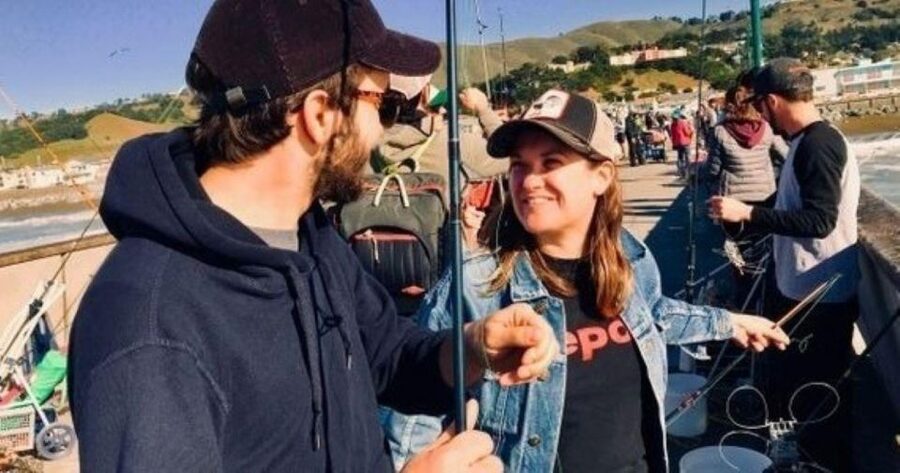
A useful crabbing class should teach more than how to put bait on a line. This one includes regulations alongside practical methods, giving you a better sense of how to crab responsibly. The measuring gauge is a concrete link between the rules and what you do with a crab you catch.
That practical context adds value beyond the three hours. A beginner who learns to check a crab properly has a stronger starting point for future outings than someone who has only picked up a casting trick. The supplied information does not detail the full regulations covered, so you should not assume the lesson replaces checking current local rules yourself.
For families and mixed-experience groups, this is a useful part of the class. There is technique to practise, equipment to handle and a clear reason for learning how to measure a catch. It gives the activity an educational side without turning the outing into a lecture.
Same city, a different kind of afternoon:
- San Francisco: Golden Gate Bay Cruise
★ 4.7 · 3,644 reviews - San Francisco: Hop-On Hop-Off Sightseeing Tour with 17 Stops
★ 4.5 · 3,600 reviews - Yosemite Highlights & Giant Sequoias Day Tour from San Francisco
★ 4.5 · 3,455 reviews - San Francisco Super Saver: Muir Woods & Wine Country w/ optional Gourmet Lunch
★ 4.5 · 3,352 reviews
What three hours can and cannot deliver
Three hours is enough time for a focused introduction, but not a promise of a full day’s fishing or a bag of crab. The class is designed to teach fundamentals, with an instructor guiding you through gear and methods. The exact sequence and time spent on each step are not specified, so keep expectations flexible.
Think of the duration as a practical workshop outdoors. You have time to learn, ask questions and make an attempt, but conditions and luck influence the outcome. The class is clear that the catch itself is not guaranteed. That honesty makes it easier to judge the experience on what it offers: instruction, equipment and a chance to try crabbing in the bay.
For children or anyone new to outdoor activities, the uncertainty may be part of the fun, provided expectations are set early. Explain that the goal is to learn how the process works, not necessarily to bring home crab. For a results-driven angler, the lesson may feel basic unless you are specifically looking to learn this technique.
Is $55 a fair price?
At $55 per person, the fee covers three hours of instruction and a substantial set of equipment. Buying or gathering the rod, reel, snare, bait, weights, line and other tools yourself would take planning, especially if you are only testing whether crabbing is for you. Having the core kit supplied lowers that barrier.
The value is strongest for beginners and curious visitors who want someone to show them the basics. You are paying for instruction as well as access to the gear, and the helpful, clear teaching style described is central to that value. If you already own the equipment and know how to crab, the class may offer less for the price.
Do not compare the fee only with the cost of seafood. There is no guaranteed catch, and food and drinks are extra. Compare it instead with the cost and effort of arranging a first outing on your own, plus the value of having an instructor answer questions while you learn.
Who will enjoy this class most
This experience suits first-timers, families and anyone who likes learning a practical skill outdoors. It is listed as suitable for all ages, which makes it a possible shared activity across generations. The individual equipment also means each person can take part rather than simply watch.
It can work well for a visitor seeking something more active than a standard city attraction. You are learning a local pastime in the bay, with a clear focus and a modest time commitment. The class is in English, so you should be comfortable following instruction in that language.
It is less suitable if you need a guaranteed catch, dislike waiting or prefer an activity with a fixed outcome. Crabbing is subject to chance. You can do everything correctly and still come away with more knowledge than crab.
Booking details to keep in mind
The listed price is $55 per person, and the duration is three hours. Starting times depend on availability, so check the options for your date before making plans around the class. The experience is led by a live guide in English.
You can reserve now and pay later, and cancellation up to 24 hours in advance is eligible for a full refund. Those terms offer some flexibility if your plans are not settled. Food and drinks are not included, so arrange those separately.
The exact meeting point and group size are not specified in the details provided. Check those particulars before booking, especially if you need to coordinate transport or are arranging the activity for a larger group.
Should you book The Art of Crabbing?
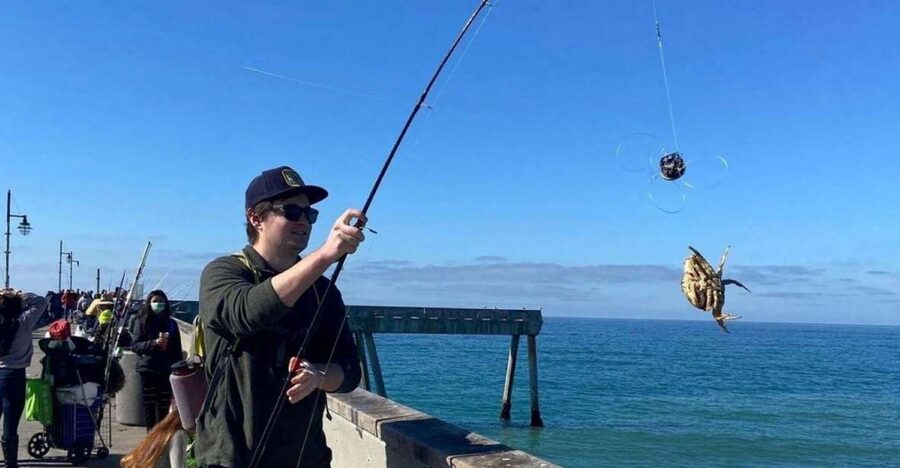
Book it if you want an approachable, hands-on introduction to crabbing and like the idea of learning with equipment already supplied. The strongest reasons are the individual rod, reel and snare, the instruction in methods and regulations, and hosts who are described as clear and helpful.
Skip it if a catch is the only outcome that would make the price worthwhile. The class cannot guarantee one, and the real return is the skill and experience you gain during three hours by the bay. If that sounds like a fair trade, this is a practical way to try a West Coast pastime without first assembling a tackle box of your own.
FAQ
How long is the crabbing class?
The class lasts three hours.
How much does it cost?
The listed price is $55 per person.
Is equipment provided?
Yes. Each person is provided with a rod and reel and one snare. The class also includes a crab net, bait, weights, a measuring gauge, 35-pound-test monofilament line and a snap swivel.
Is catching crab guaranteed?
No. Catching crab depends on effort, patience and luck, and a catch is not guaranteed.
What language is the class taught in?
The live guide teaches in English.
Is the activity suitable for children?
It is described as suitable for all ages.
Are food and drinks included?
No. Food and drinks are not included.
Can I cancel for a refund?
Yes. You can cancel up to 24 hours in advance for a full refund.
Just listed in San Francisco
- 90-Minute Sunset Tour Aboard Wine Therapy★ 5.0 · 18 reviews
- San Francisco Bike Rental★ 4.0 · 31 reviews
- 30-40 Minute Airplane San Francisco Bay Flight Tour★ 4.5 · 17 reviews
- San Francisco Indoor Skydiving with 2 Flights & Personalized Certificate★ 5.0 · 11 reviews
- San Francisco Alcatraz App Guided Tour with Cruise and Jail House★ 4.0 · 18 reviews
- 90 Minute Daytime Tour Aboard Wine Therapy★ 5.0 · 13 reviews
- San Francisco Bay Cruise, Muir Woods and Sausalito Combo Tour★ 5.0 · 4 reviews
- All Day Special GoCar Tour in San Francisco★ 5.0 · 34 reviews
San Francisco Tours, compared.

Big Bus SF: Hop-on Hop-off Tour with 17 Stops and Sunset Option
Read our review →
Napa and Sonoma Wine Country Full-Day Tour from San Francisco
Read our review →
Small Group Yosemite and Giant Sequoias Day Trip from San Francisco
Read our review →

Hop-On Hop-Off Sightseeing Tour with 17 Stops
Read our review →
Yosemite Highlights & Giant Sequoias Day Tour from San Francisco
Read our review →
San Francisco Super Saver: Muir Woods & Wine Country w/ optional Gourmet Lunch
Read our review →