
Reviewed · SAN FRANCISCO HISTORY TOURS
San Francisco: Castro District LGBTQ+ History Tour
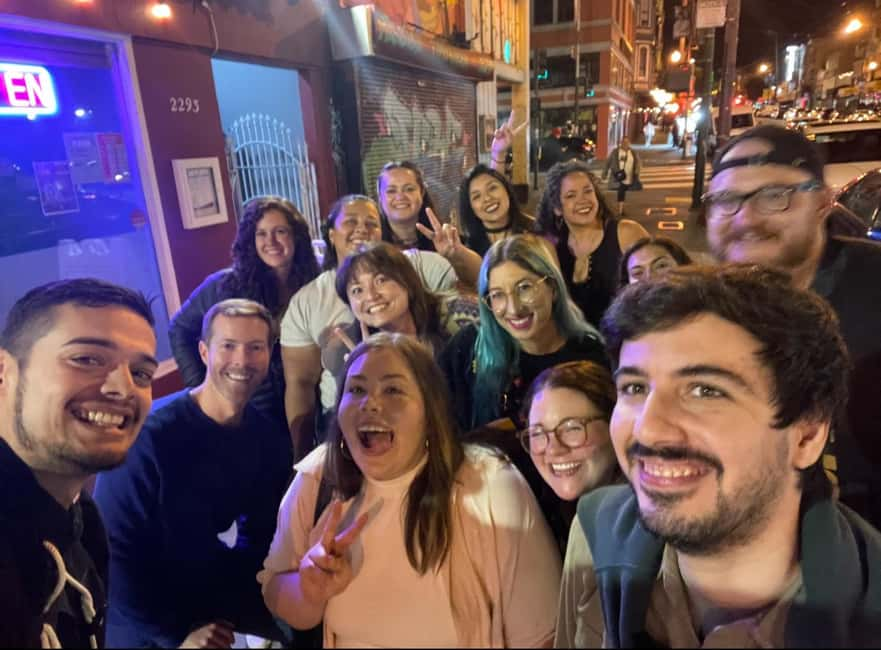
The Castro’s story reaches well beyond its famous rainbow flags. On this 90-minute tour, you’ll connect the neighborhood’s LGBTQ+ landmarks to bigger forces, including the US military’s role in shaping San Francisco and the fight for civil rights. The guide, Eric, is a sixth-generation local, historian, queer organizer, and activist who witnessed some of the events he discusses.
I like two things in particular: the route puts Harvey Milk’s former camera shop, campaign headquarters, and residence into the same story, and it includes memorials that give the history a human scale. Eric’s personal ties to San Francisco and its politics also make this more than a list of dates and plaques. One consideration: 90 minutes is a short window for a big subject, so expect a focused introduction rather than every chapter of Castro history.
Key points
- The Pink Triangle Memorial honors gay prisoners killed during the Nazi regime from 1933 to 1945.
- Harvey Milk’s former sites connect the neighborhood’s streets with his work as an activist and politician.
- Eric brings local perspective, as a sixth-generation San Francisco native who is also a historian, queer organizer, and activist.
- The tour links local and national history, including military policy, the White Night Riots, and a 1979 gay rights ordinance.
- It lasts 90 minutes and costs $39, with free cancellation up to 24 hours before the tour.
A neighborhood tour with a larger frame
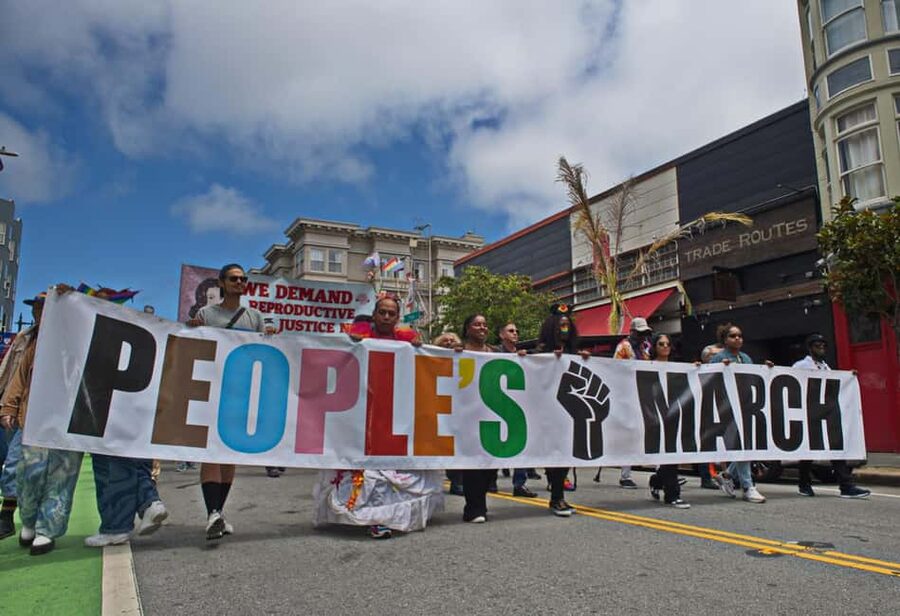
The Castro is often introduced as a place to shop, eat, and see a celebrated LGBTQ+ neighborhood. This tour gives you a more useful way to read it: as a place where personal stories, public memorials, political campaigns, and city decisions meet. Instead of treating each landmark as a separate photo stop, Eric connects them to the forces that shaped the district.
One of the tour’s central threads is the US military’s role in the formation of what is often called the gayest city on Earth. That framing matters because it places the Castro’s story in a wider national context, rather than suggesting that the neighborhood developed in isolation. You’ll hear how the tour links military history to the growth of San Francisco’s LGBTQ+ community.
Eric’s background is an important part of the format. He is a sixth-generation San Francisco native and historian, as well as a POC queer organizer and activist. He also personally witnessed many of the historical events covered, giving him a connection to the subject that a guide working only from books cannot offer.
That does not mean every part of the tour is a personal story. The route also deals with public history, memorials, and political milestones. The value is in having a guide who can bring those threads together and help you see why these particular places matter.
Starting at Harvey Milk Plaza
The meeting point is Harvey Milk Plaza, next to SoulCycle at 400 Castro Street. It is a fitting place to begin a tour that spends time on Milk’s life and political work. Check the exact starting time when you book, since the schedule varies.
The short format makes the start useful: you can arrive with the neighborhood’s most familiar name in mind, then follow the tour into places and events you may not know. Milk’s former camera shop, campaign headquarters, and residence are all part of the route. Those sites help turn a broad public legacy into a story tied to real addresses and everyday blocks.
A 90-minute tour has to make choices. You should expect to cover the key stops and their connections, not linger at every location or hear an exhaustive account of every person involved. If you have already read extensively about Milk or the Castro, the value may be less in basic facts and more in the way Eric relates those sites to the wider political story.
More history tours in San Francisco:
- Chinatown & North BeachLittle Italy: 7 Tastings & History
★ 5.0 · 1,070 reviews - North Beach & Little Italy Walking Tour: Food, History & Flavor
★ 5.0 · 1,044 reviews - Chinatown Walking Tour: Food, History & Flavor
★ 5.0 · 575 reviews
The Pink Triangle Memorial and public memory
The Pink Triangle Memorial is one of the tour’s most weighty stops. It is described as the first memorial of its kind to honor gay prisoners killed during the Nazi regime from 1933 to 1945. That makes it more than a neighborhood landmark: it places the Castro’s story in conversation with persecution and remembrance far beyond San Francisco.
The memorial gives the tour a pause point. A district’s history can feel abstract when it is told only through elections and ordinances; a memorial makes clear that the stakes were human. You can use the stop to consider how public spaces choose whom to remember, and why those choices matter.
The route also includes Hibernia Beach, also known as the Castro LGBTQ+ Memorial. Its inclusion gives you another place to think about how remembrance is expressed in the neighborhood itself. The tour does not just point out famous people and political milestones. It also takes you to spaces built to mark LGBTQ+ lives and history.
These stops may feel solemn beside the energy of the surrounding district. That contrast is part of the point. The Castro is not only a destination or a symbol; it is a community with stories of struggle, loss, organizing, and celebration. The memorials give those stories a visible place.
The GLBT History Museum and Jane Warner Plaza
The GLBT History Museum is another stop on the route. Its presence helps widen the focus beyond the best-known names and events. Rather than placing all the weight on one politician or one protest, the museum signals that LGBTQ+ history has many people, experiences, and chapters.
The tour also visits Jane Warner Plaza, named after the first openly lesbian police officer on the San Anselmo police force. That detail offers a different angle on representation and public life. It is a reminder that history is often carried in names and local landmarks, not only in major monuments.
Taken together, the museum and plaza make the route feel like a guided introduction to how the Castro remembers its past. You will not need to arrive with a long reading list to follow the story. If you want to get more from the stops, though, pay attention to how Eric links each place to questions of identity, visibility, and political change.
The supplied details do not set out a fixed order for every stop, so treat the places as the tour’s landmarks rather than a guaranteed sequence. That is practical to know if you are planning a tight schedule around the 90-minute outing.
Harvey Milk’s sites, the White Night Riots, and political change
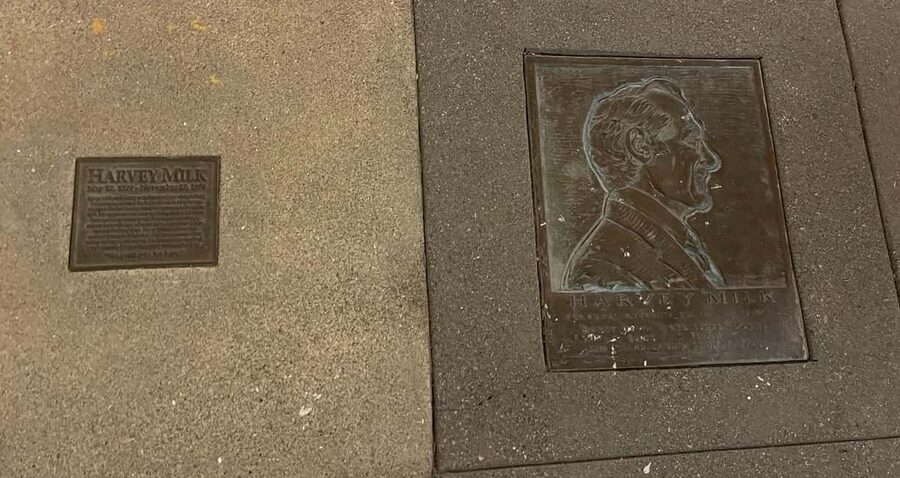
The stops connected to Harvey Milk give the tour a strong sense of place. You’ll see his former camera shop, campaign headquarters, and residence, all within the neighborhood that became central to his public life. These are not just addresses to tick off. They help you picture how political work and daily life occupied the same streets.
The tour also covers the legacy of the White Night Riots and a landmark gay rights ordinance from 1979. The supplied information does not spell out every detail of these events, so it is best to think of this part as a guided account of their place in the Castro’s political history. Eric’s perspective as an organizer and activist may be especially useful here, because the subject is not simply what happened, but how communities push for change and how that struggle is remembered.
These themes are why this tour works well for visitors who want more than a quick orientation. The route ties individual sites to wider political developments, giving you a clearer framework for exploring the Castro afterward. You can return to the neighborhood with a better sense of what its public landmarks refer to, instead of seeing them as isolated points on a map.
A few more San Francisco tours worth a look
- San Francisco LGBTQ Walking Tour with Local Guide
★ 5.0 · 600 reviews - Castro District LGBTQ+ Historic Tour
★ 5.0 · 9 reviews - San Francisco: Castro & LGBTQ Private Walking Tour
★ 4.0 · 4 reviews
What Eric’s perspective adds
The strongest reason to choose this tour is its guide. Eric is a sixth-generation San Francisco native and historian, and he is also a POC queer organizer and activist. He personally witnessed many of the events covered, which gives the discussion a connection to lived experience as well as historical research.
The way a guide handles a tour matters just as much as the list of stops. A visitor who joined on a hectic Halloween day appreciated that Eric checked in to make sure the group could still hear him amid construction and event setup. That is a useful sign for anyone concerned about a busy street tour: the experience can be affected by what is happening around you, but attentiveness from the guide helps.
Other participants have found Eric’s explanations clear and his manner welcoming. One person attended alone and still had time for conversation, which suggests the tour can feel personal even when your travel plans do not include a companion. The group size is not specified, so I would not count on a private or small-group format. But you can expect a guide who makes an effort to connect with the people on the tour.
Is $39 good value for 90 minutes?
At $39 per person, this is a focused history tour rather than a bargain-priced stroll. The value comes from the combination of a local historian, a guide with personal ties to the events, and stops that include memorials, a museum, and Harvey Milk’s former sites. If you would otherwise walk through the Castro without knowing what the landmarks mean, a guided visit can make those 90 minutes count.
The price is easier to justify if LGBTQ+ history is a key reason for your San Francisco visit, or if you want a local political perspective that goes beyond general sightseeing. It may be less compelling if you mainly want unstructured time to browse the neighborhood or already know the history in detail. You can still visit the district on your own, but you will need to supply your own context.
The tour includes a local historian as guide. Gratuities are not included, so plan for that separately if you choose to tip. Comfortable shoes are the main thing to bring. The experience is listed as wheelchair accessible, which is helpful information for planning, though you may want to confirm any specific access needs when arranging your visit.
Who should book this Castro tour?
I’d recommend it to anyone who wants to understand why the Castro matters, especially visitors interested in LGBTQ+ history, civil rights, or San Francisco’s political past. It also suits people who prefer stories tied to real streets and memorials over a general neighborhood overview. Eric’s local roots and firsthand connection to some events make the tour particularly appealing if you value a guide who brings both historical and personal perspective.
It is a good fit for first-time visitors, but you do not need to be new to San Francisco. If you have already seen the neighborhood, the tour can give familiar places a new frame. The main limitation is time: 90 minutes is enough for a strong introduction, not a full account of every person and turning point in the Castro’s past.
The booking terms offer some flexibility. You can reserve now and pay later, and you can cancel up to 24 hours in advance for a full refund. The tour is in English. If you want a concise, guided way to connect the Castro’s landmarks with its political history, $39 is a reasonable price for the perspective you get.
FAQ
How long is the tour?
The tour lasts 90 minutes.
How much does the tour cost?
The price is $39 per person.
Where does the tour meet?
Meet at Harvey Milk Plaza, next to SoulCycle, at 400 Castro Street.
Who leads the tour?
A local historian leads the tour. The guide is Eric, a sixth-generation San Francisco native, historian, POC queer organizer, and activist.
What language is the tour in?
The tour is conducted in English.
What places are included?
Stops include the Pink Triangle Memorial, Hibernia Beach, the GLBT History Museum, Jane Warner Plaza, and sites connected to Harvey Milk.
What historical topics are covered?
The tour covers the US military’s role in San Francisco’s formation, the legacy of the White Night Riots, and a landmark gay rights ordinance from 1979.
What is included in the price?
A guided tour with a local historian is included. Gratuities are not included.
What should I bring?
Bring comfortable shoes.
Is the tour wheelchair accessible, and can I cancel?
The tour is listed as wheelchair accessible. You can cancel up to 24 hours in advance for a full refund.
Just listed in San Francisco
- 90-Minute Sunset Tour Aboard Wine Therapy★ 5.0 · 18 reviews
- San Francisco Bike Rental★ 4.0 · 31 reviews
- San Francisco Indoor Skydiving with 2 Flights & Personalized Certificate★ 5.0 · 11 reviews
- 30-40 Minute Airplane San Francisco Bay Flight Tour★ 4.5 · 17 reviews
- San Francisco Alcatraz App Guided Tour with Cruise and Jail House★ 4.0 · 18 reviews
- 90 Minute Daytime Tour Aboard Wine Therapy★ 5.0 · 13 reviews
- San Francisco Bay Cruise, Muir Woods and Sausalito Combo Tour★ 5.0 · 4 reviews
- All Day Special GoCar Tour in San Francisco★ 5.0 · 34 reviews
San Francisco History Tours, compared.
Chinatown & North BeachLittle Italy: 7 Tastings & History
Read our review →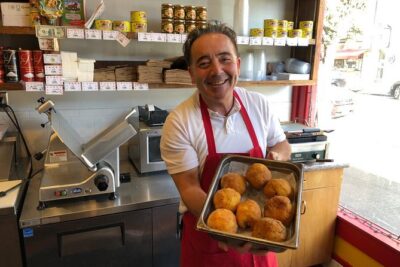
North Beach & Little Italy Walking Tour: Food, History & Flavor
Read our review →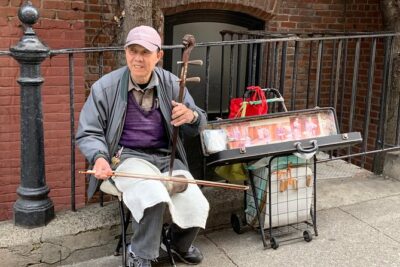

#1 Sonoma Walking Food, Wine Tasting & History Tour (Public Tour)
Read our review →
San Francisco Whiskey Cocktail Class: Views and City History
Read our review →
Chinatown Food & History Walking Tour – Small Group
Read our review →
North Beach Food & History Walking Tour – Small Group
Read our review →Browse the lists this tour appears in